Which Charger Type Is Right for Your Smartphone?
Choosing the correct charger is critical to keeping your smartphone charged effectively and safely. With so many alternatives available, recognizing the distinctions between USB-C, USB-A, and wireless chargers may save you time and prevent harm. Chargers differ in speed, compatibility, and convenience. Some phones offer rapid charging, while others use normal charging methods. Whether you require a charger for home, business, or vacation, choosing the proper model has an impact on your daily routine. This tutorial describes the many types of chargers, their benefits, and what to consider before purchasing, allowing you to make an informed purchase.
What Are the Main Types of Smartphone Chargers?
USB-C Chargers: Fast, Modern, Universal
Many current cellphones include USB-C chargers. They absorb higher-wattage power and charge more quickly than previous versions. The reversible connection makes plugging easier and removes discomfort from inappropriate orientation. USB-C syncs your device by acting as both a power and data cable. USB-C is common among computer enthusiasts since numerous laptops, tablets, and accessories support it. USB-C chargers are quicker, more convenient, and more compatible than USB-A chargers; therefore, they are the best option for modern devices that require rapid charging.
USB-A Chargers: Still Useful for Many Devices
USB-A chargers are widely used since they are inexpensive and popular. They connect to a laptop, wall adapter, and power bank USB ports. USB-A chargers are compatible with older devices and peripherals such as headphones, smartwatches, and portable speakers, although they are slower than USB-C. They are reliable for daily charging and are typically found in inexpensive charging kits. USB-A chargers charge regularly despite not supporting the most recent fast-charging protocols. For households with a large number of older devices or adapters that only accept USB-A input, they provide options without the cost of modern fast-charging alternatives.
Wireless Chargers: Convenient But Slower
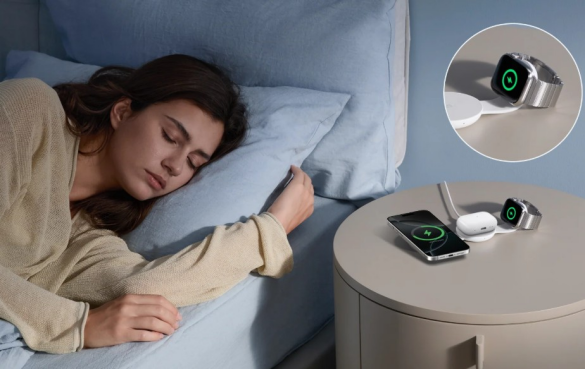
Wireless chargers allow you to charge without using a cable. When you place your smartphone on a charging pad or stand, it receives power by induction. This reduces cable clutter and charging port wear. Wireless charging may be slower and hotter than traditional charging. Phone placement and charger power output both have an impact on efficiency. Wireless chargers are ideal for overnight or desktop use, but they may not be quick enough. These chargers are useful for people who prefer a clean, cable-free charging experience despite slower speeds.
Does Your Smartphone Support Fast Charging?
Fast charging is dependent on both the charger and your smartphone's compatibility. Many current phones enable protocols like Qualcomm Quick Charge and USB Power Delivery, which provide greater power to charge batteries faster. Using a charger that meets your phone's fast-charging standard assures maximum speed without hurting the battery. Older phones or inexpensive models may not support fast charging and may only charge at conventional speeds, even with a high-power adaptor. Furthermore, not all USB-C chargers automatically support rapid charging; you'll need a suitable cable and power adapter. Checking your phone's specs before purchasing a charger saves money and guarantees you get the quickest and safest charging possible for your device.
How to Choose Between Wired and Wireless Charging?
Pros and Cons of Wired Chargers
Wired chargers provide the most rapid and efficient charging for smartphones. They provide steady power and can handle high-wattage quick charging procedures. Cables are affordable and readily accessible, making them simple to repair if broken. However, cable charging can wear down ports over time and limit movement while your phone charges. Traveling with a cable is also necessary, which might be cumbersome. Regardless of these small shortcomings, wired chargers are suitable for customers who value speed and efficiency. They are especially beneficial for short top-ups or for using a phone while charging, and provide dependable performance in both home and vacation situations.
When Wireless Charging Makes Sense
Wireless charging is superior to wired charging in terms of convenience and speed. This pad allows you to place your phone on it without a wire, making it suitable for offices, bedside tables, and public areas. It reduces charging port and cable wear and is safer in wet kitchens and workplaces. Wireless chargers allow you to pick up your phone without unplugging it and charge it quickly throughout the day. While slower than cable options, their simplicity appeals to overnight or stationary users who prioritize convenience over charging speed.
Combo Chargers for Desk, Car, and Travel
Combo chargers are great for a variety of settings since they provide several charging methods and connectors. Desk chargers include USB-A, USB-C, and wireless charging options for further versatility. Car chargers generate power while driving, frequently with quick charging. Travel chargers can recharge many devices, reducing the need for adapters. These multi-device chargers save space and minimize cable clutter. The correct combo charger can power all of your devices at home, in the car, or on the go, offering a simple all-in-one solution.
What Else Should You Consider Before Buying a Charger?
Number and Type of Ports (USB-A, USB-C, Multi-port)
The number and kind of ports on a charger impact its use and compatibility. Single-port chargers are effective for one device but might be limited. Multi-port chargers enable the simultaneous charging of smartphones, tablets, and accessories, making them perfect for families or travelers. Ensure the charger includes the ports your devices require, such as USB-A for older gadgets, USB-C for modern phones, or the correct iphone 17 charger type. Some chargers include mixed ports, allowing you to charge different kinds of devices at once. Evaluating your charging requirements and matching them to the charger's port design promotes efficiency and prevents carrying several chargers, allowing you to keep a clutter-free setup at home or on the move.
Safety Features: Surge, Overheat, and Short Circuit Protection
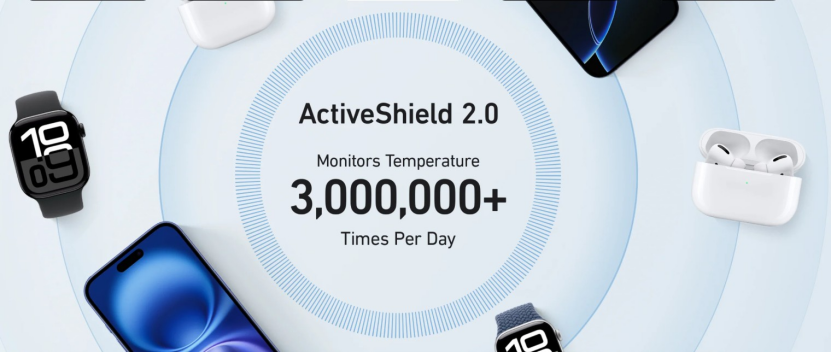
When choosing a charger, you must consider safety features. Surge protection protects your phone from high voltages. Overheat protection keeps the device and charger cool during extended charging. Short circuit avoidance eliminates electrical hazards. High-quality chargers have several protective layers to lengthen device life and provide peace of mind. Neglecting safety precautions can lead to battery damage, malfunctioning devices, and fires. Checking the product specifications and certifications ensures charger safety. Consider purchasing a charger that includes built-in safety for your smartphone and home.
Charger Build Quality and Brand Reliability
The build quality and brand reputation of the charger have an impact on its performance and lifespan. Wear-resistant chargers prevent frayed wires and provide consistent power delivery. Reputable manufacturers provide warranties and adhere to safety standards, which reduces the danger of malfunction. Unbranded chargers, while initially cheaper, may be defective and dangerous. Material properties, connection strength, and cable thickness all have an influence on durability. Choose recognized manufacturers to ensure device compatibility and customer support. A quality charger protects your smartphone and eliminates the need for frequent replacements, making it a dependable solution for daily charging at home, work, or on the move.
Conclusion
Understanding your smartphone's demands, charging speed, and convenience preferences is essential when choosing the proper charger. USB-C provides fast, contemporary performance, USB-A is still reliable for older devices, and wireless charging promotes simplicity of use. Fast-charging capability, port kinds, safety features, and construction quality all affect your decision. Wired chargers excel in speed, but wireless chargers decrease cable clutter and wear. Combo chargers offer adaptability for a variety of devices and settings. By carefully considering these criteria, you may select a charger that will keep your phone charged securely, effectively, and dependably, boosting your daily routine while avoiding additional stress or device damage.