Smartphone Charger Buying Guide for 2026
The right smartphone charger may save you money and protect your device. Many people buy the cheapest charger only to discover that it provides poor charging, has a limited lifespan, or causes device damage. Understanding charger selection is critical as manufacturers adapt to new standards and fast-charging technologies advance. This guide defines the 2026 expectations. You'll learn about different charger types, how to match one to your smartphone, and which features are worth purchasing. Use these tactics to make confident decisions and avoid common mistakes.
What Should You Know Before Buying a Charger?
Understand Charger Types: USB‑A, USB‑C, and Wireless
There are several types of smartphone chargers. USB-A has been around for years, but it is getting slower and less popular. Most modern phones use USB-C. It offers high power and fast charging. Wireless chargers charge devices without the necessity of a cable. Wireless charging, while convenient, is often slower than cable options, unless you choose a high-power model that meets Qi2 or MagSafe standards. Before purchasing a charger, make sure it supports the ports and technologies your phone uses for optimal speed and compatibility.
Know Your Device's Charging Requirements
Before purchasing a charger, make sure it is compatible with your phone. Certain protocols allow phones to charge at 45W or higher, while others peak at 20-30W. Proprietary fast-charge technologies require compatible chargers and connections to work well. A charger that does not fit the phone may cause it to charge slowly or inefficiently. Even a high-wattage charger will not force your phone to absorb more power than it can take. To ensure optimal performance and safety, align charger output and processes with model guidelines.
Wattage and Voltage: What Really Matters?
Wattage and voltage ratings indicate how much power a charger can offer. Higher wattage often results in quicker charging, but only if your phone supports the power level and protocols. A 60W charger cannot speed up a phone with a maximum power of 20W. Wattage is equal to the product of voltage and current (volts × amps). Some charging standards allow the charger to dynamically alter voltage, increasing efficiency and lowering heat. Avoid making purchases based purely on high numbers. Instead, look for chargers that provide power that your smartphone can consume, as well as those that offer adaptive protocols that securely and effectively adjust voltage and current to match the phone's battery.
Which Features Make a Charger Worth Buying in 2026?
Fast Charging Protocols: PD, QC, PPS Explained
Fast charging employs protocols to communicate between the phone and the charger. Many phones and accessories support the most prevalent standard, USB Power Delivery (PD). When the phone and charger support Qualcomm Quick Charge (QC), Android devices charge more quickly. Modern PDs include Programmable Power Supplies (PPS), which enable the charger to adjust voltage and current in fewer steps. This reduces heat and improves efficiency in current phone batteries. Select a charger that supports fast-charging protocols for your phone. A PD/PPS charger is typically the safest option in terms of speed and compatibility.
Smart Safety Features You Shouldn't Ignore
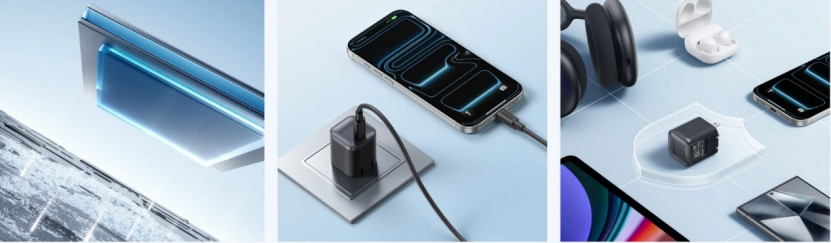
Safety features protect your phone and charger. Good chargers protect against overcurrent, overvoltage, and short circuits. Some offer protection against overheating and power surges. Poorly insulated chargers can hinder charging, stress batteries, and pose safety risks. Chargers are certified by reputable testing institutes for safety and dependability. Purchasing a renowned charger with specified safety criteria reduces the risk of damage or fire. Avoid compromising on safety for a lower price. Quality protection can help you avoid expensive repairs and extend the life of your phone's battery.
Build Quality and Cable Durability
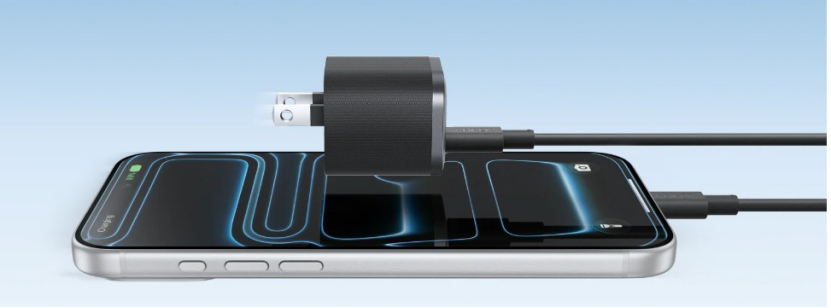
Durable chargers and cables save money over time. Look for strong construction, reinforced strain areas, and high-quality materials. Cheap chargers and cables frequently feature poor couplings, fragile housings, and inferior internal components. This causes breakage, poor charging performance, and even safety hazards when wires fray and connections loosen. Braided cables are more resistant to wear and tear than simple rubber cables, especially if they are plugged in and out often. When shopping for iphone 17 chargers, also consider charger size and design: compact models with advanced materials like GaN (gallium nitride) run cooler and can handle high power in a smaller form. Choosing quality components means fewer replacements and happier charging.
Tips to Avoid Common Charger Buying Mistakes
Don't Fall for Cheap, Uncertified Products
Cheap chargers may look enticing, but they often compromise safety and performance. Cheap versions may lack safety measures and are not lab-certified. This might result in overheating, slow charging, or damage to the smartphone's battery or charger. Certified chargers have been tested for surge protection, voltage regulation, and overall build quality. Purchasing from reputable brands and confirming credentials guarantees dependability and peace of mind. Do not trust unknown suppliers who offer low prices. Purchasing a dependable charger protects your device and saves you money by lasting longer and charging properly.
Avoid Mismatched Chargers and Cables
Charging and attaching your phone properly is critical. Fast charging is not feasible with a high-wattage charger unless the cable meets the same standards. Some phones require processes to get maximum speeds. If you use the charging cord or a phone maker-certified cable, the phone will get power appropriately. Incompatible components may restrict charging, overheat, or throttle devices. Determine the best cable-charger combination for each device, and avoid using cables with high-power chargers. This simple approach speeds up the charging process while also protecting your battery.
Check for Warranty and Customer Reviews
Before making a purchase, verify the warranty and read the user reviews. A good warranty implies that the corporation stands behind its goods. Real-world evaluations demonstrate the charger's dependability, quickness, and longevity. Recognize trends in input rather than individual issues, and concentrate on longevity and safety. A product with predominantly positive reviews and prompt customer service is safer than one with mixed ratings. Avoid chargers that provide no guarantee or have few reviews. A few minutes of research saves you from purchasing anything that fails prematurely or fails to meet expectations.
Conclusion
Your 2026 smartphone charger selection does not have to be complex. Make sure that the charger type, wattage, and fast-charging protocols match your device. Safety, certification, and durability are top priorities. Make sure wires and chargers are compatible, and avoid inexpensive, uncertified options. Warranty and customer reviews help you select long-lasting merchandise. The proper charger delivers fast, efficient power while also protecting your phone's battery. These tips will help you buy a charger sensibly and avoid common blunders.