How To Identify A High-Quality Charger Before Purchase
Buying a charger should not feel like a gamble, yet many people end up replacing broken or unreliable chargers far too often. In daily life, we depend on chargers at home, at work, and while traveling, so quality matters more than we usually think. Problems often appear when people try using iphone 17 with old chargers, which may lead to slow charging, unstable connections, or unnecessary heat, making it a smart moment to consider upgrading to a new, reliable charger as part of a long-term solution. A high-quality charger is not about flashy marketing but about solid construction, verified safety, and consistent performance. In this article, we will walk through clear, practical checks that help you confidently identify a high-quality charger before you buy it.
First Check: Hold and Inspect the Physical Parts
The Cable Should Feel Thick and Flexible
The first thing you should do in a store or after receiving a charger is simply hold the cable in your hand. A high-quality cable usually feels thicker and more substantial, yet it should still bend smoothly without stiffness. Thin, overly rigid cables are more likely to crack internally after repeated use. Flexibility combined with thickness indicates better internal wire protection and insulation. This physical feel test alone can help you avoid many low-quality chargers. Over time, cables with better materials maintain their shape and performance even with daily plugging and unplugging.
The Plug and Ports Should Fit Snugly
Next, pay attention to the plug and charging ports themselves. When you insert the cable into the charger or your device, it should fit snugly without wobbling. Loose ports often signal poor manufacturing tolerances and can lead to unstable charging. A solid connection also reduces wear on your device’s charging port over time. By checking how firmly everything fits together, you can quickly judge whether the charger is built to last. Chargers with precise fittings tend to perform more consistently in real-world daily use.
Second Check: Find the Official Safety Labels
Look for These Specific Certification Logos
Safety certifications are one of the clearest indicators of charger quality. Labels such as UL and CE show that the charger has passed recognized safety and performance tests. These certifications mean the charger has been evaluated for risks like overheating and electrical faults. While the logos are small, they represent significant behind-the-scenes testing. Taking a moment to look for these marks can protect both your device and your home. Certified chargers are also less likely to fail under long charging sessions.
Avoid Chargers with No Labels or Fake Marks
Chargers without any visible certification labels should raise immediate concerns. Some low-quality products display vague symbols or fake marks that resemble official logos. These chargers often skip essential safety testing, increasing the risk of damage or hazards. If the labeling looks unclear or poorly printed, it is safer to walk away. Trusting proper labels helps you avoid unreliable chargers that may fail unexpectedly. This simple habit can prevent both device damage and potential safety risks.
Third Check: Read the True Charging Speed
Understand the Wattage Printed on the Charger
The printed wattage on a charger tells you how much power it can actually deliver. Higher wattage usually means faster charging, but only if your device supports it. A quality charger clearly states its output ratings in easy-to-read text. This transparency shows that the manufacturer is confident in its performance. Learning to read these numbers helps you match the charger to your real needs. It also prevents frustration caused by chargers that promise speed but deliver very little.
Ignore Exaggerated "Fast Charge" Claims
Marketing terms like “super fast” or “ultra charge” can be misleading. Without specific wattage information, these claims offer little real value. High-quality chargers rely on clear specifications rather than vague promises. If the packaging emphasizes slogans more than technical details, that is a warning sign. Focusing on verified output numbers helps you avoid disappointment after purchase. Clear labeling builds trust and reflects responsible product design.
Fourth Check: Test the Performance
Try It with Your Device Before Committing
Whenever possible, testing a charger with your own device is extremely helpful. A good charger should begin charging immediately without repeated plugging or adjustments. You should notice stable charging behavior without sudden stops. Consistency during this test suggests reliable internal components. Even a short test can reveal whether the charger performs as promised. This step is especially useful when buying chargers in physical stores.
Feel for Excess Heat During a Quick Charge
Heat is a natural byproduct of charging, but excessive heat is not normal. During a quick charge, place your hand near the charger and cable to gauge temperature. A high-quality charger may feel warm, but it should never become uncomfortably hot. Excess heat often points to poor internal design or low-quality components. Paying attention to temperature protects both your charger and your device. Long-term heat exposure is one of the biggest causes of early charger failure.
Conclusion
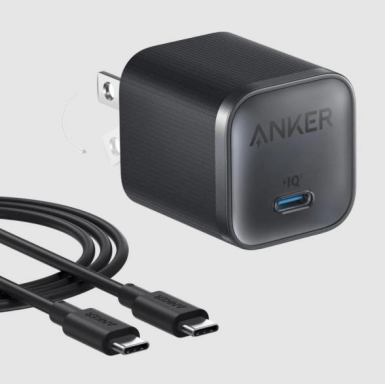
Identifying a high-quality charger does not require technical expertise, only careful observation and simple checks. By inspecting physical construction, verifying safety labels, reading true wattage information, and testing performance, you can make a confident decision. These steps fit naturally into everyday shopping habits and prevent costly mistakes. A charger like Anker’s exemplifies what to look for: robust build quality, clear safety certifications, accurate power labeling, and consistent real-world performance. Choosing such a reliable option ensures your devices are supported safely over the long term. When you trust your eyes and hands—and trusted brands like Anker—you stop guessing and start buying with confidence.